Before the First Pitch
The Warden's Experiment
Before the first pitch was ever thrown, one man decided these inmates deserved more than a cell. What he built inside those walls — and the legacy it left — is where the story begins.
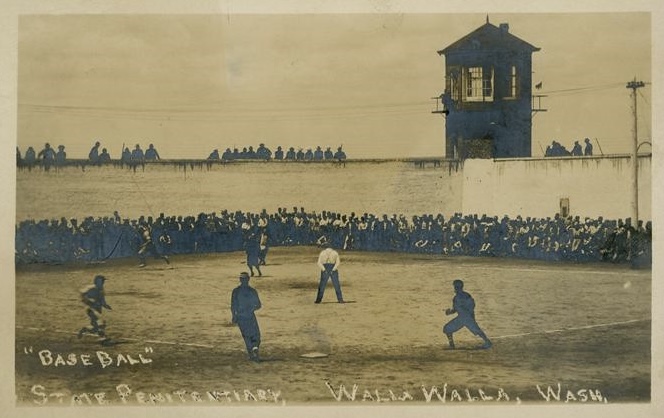
Washington State Penitentiary Mavericks · Baseball Team Est. 1907
Swinging for Redemption in Walla Walla
The forgotten story of the prison baseball team at the Washington State Penitentiary — the men who played, the families who waited, and the question about second chances that still haunts us a century later.
A Book by Lucy Ramsdell
New Year's Day, 2023
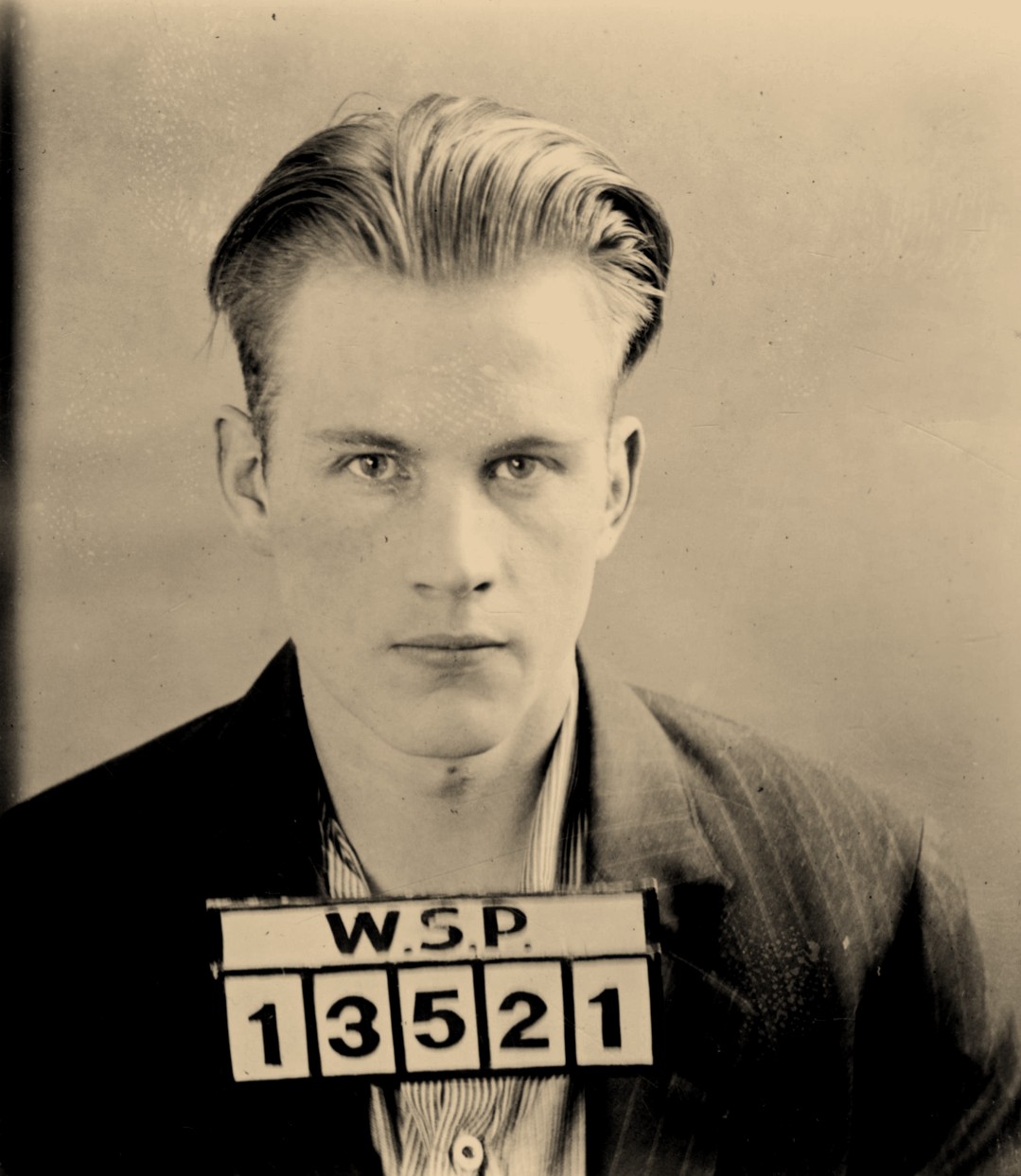
I was deep in research for Kirk Findlay's Pioneers of the Pacific, a Pacific Northwest baseball documentary, when I stumbled into Walla Walla, Washington.
What I found wasn't the famous Portland team. It was a long-forgotten prison baseball team called the Mavericks, with a history stretching back to 1907. Behind the walls of the Washington State Penitentiary, men were playing ball — and their stories were waiting to be found.
So I started matching numbers to names, and names to whatever came after. What began as a sidebar became a question I couldn't put down — and three years later, I still can't.
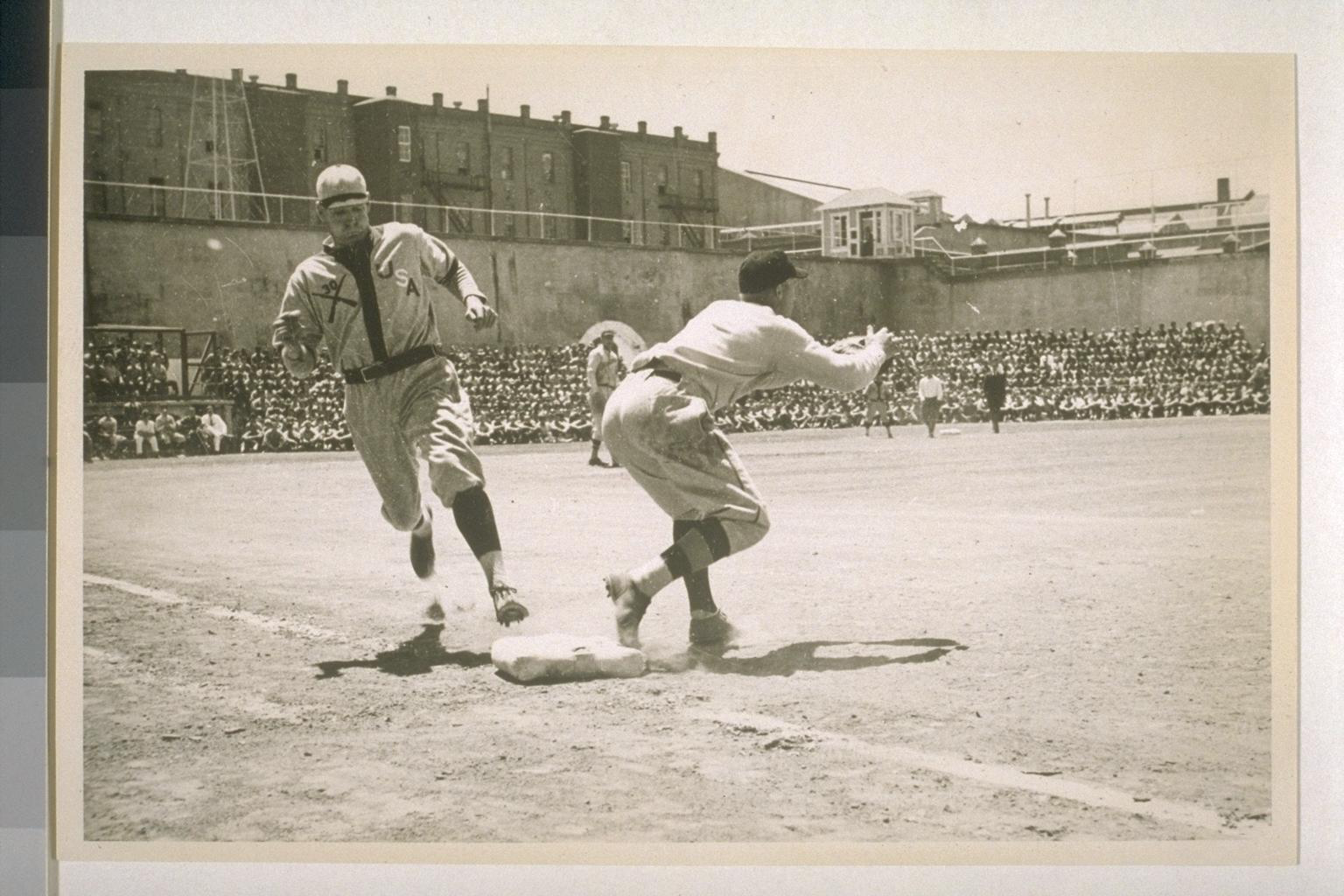
Inside the walls · circa 1920s
Inside the Book
Before the First Pitch
Before the first pitch was ever thrown, one man decided these inmates deserved more than a cell. What he built inside those walls — and the legacy it left — is where the story begins.
1915 →
The Mavericks became the first prison team in the world permitted to leave the walls that held them and play baseball against the free world — a closely watched experiment, with officials and administrators taking notes, waiting to see if these men could earn back their place in humanity.
After the Gate
What became of these men after their numbers came off — the marriages, the jobs, the disappearances, and the stigma that followed them home.
Rehabilitation
The rehabilitation programs of the early 20th century — and how a baseball diamond inside the walls became one of the era's quietest experiments in what incarceration was actually for.
Saturday Afternoons ~ 1-4 PM
Behind almost every man on the Mavericks roster stood a wife, a mother, a sister, a daughter — women who rode trains and wagons across the Palouse to spend an hour on the visitors' bench at the Washington State Penitentiary.
History rarely recorded their names. This book tries, wherever the trail allows, to give them their rightful place in the story.
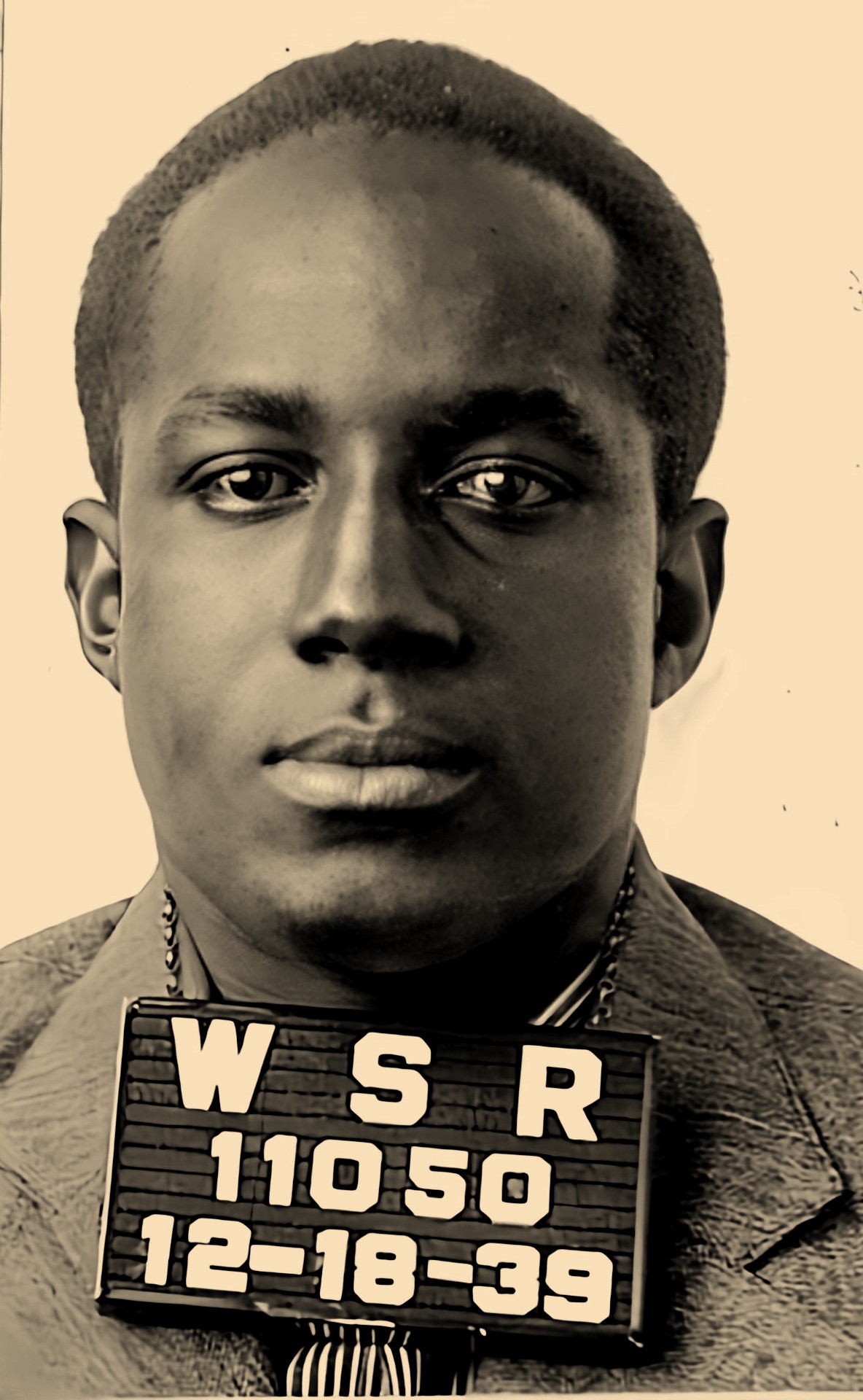
A Story Apart
“Eight years before Jackie Robinson broke the major-league color line, the Washington State Penitentiary had already integrated its own diamond — and one of its pitchers had Negro League fame that preceded him.”
His full story — and how it ended — only inside the book.

The Author
Lucy is a documentary researcher and author whose work with Kirk Findlay on Pacific Northwest baseball led her unexpectedly into one of America's oldest prisons.
“The first time I saw the team photo and looked into the faces of those incarcerated men, I had to know — what happened to them? What crimes they committed that landed them in this place, and what became of them after they were released?”
For twenty-one years as a union representative in the Pacific Northwest, she watched men who had done their time still be shut out by a background check. She lobbied alongside her union to pass “Ban the Box” legislation and kept asking the same question: if someone serves their sentence, should they keep being punished after release? That question is the through-line of Ball 'n' Chains.
The book keeps asking that same question on the human scale: how hard it is to make friends, keep a job, or simply stay out of trouble when the people around you expect you to be the person you were, not the person you are trying to become.
After three years immersed in the story, Lucy also began writing children's books — including the Cactus Commune series — a deliberate turn toward something joyful after years of reading about men, crimes, and punishment. She continues to balance both projects, with the majority of her time devoted to bringing Ball 'n' Chains to publication.
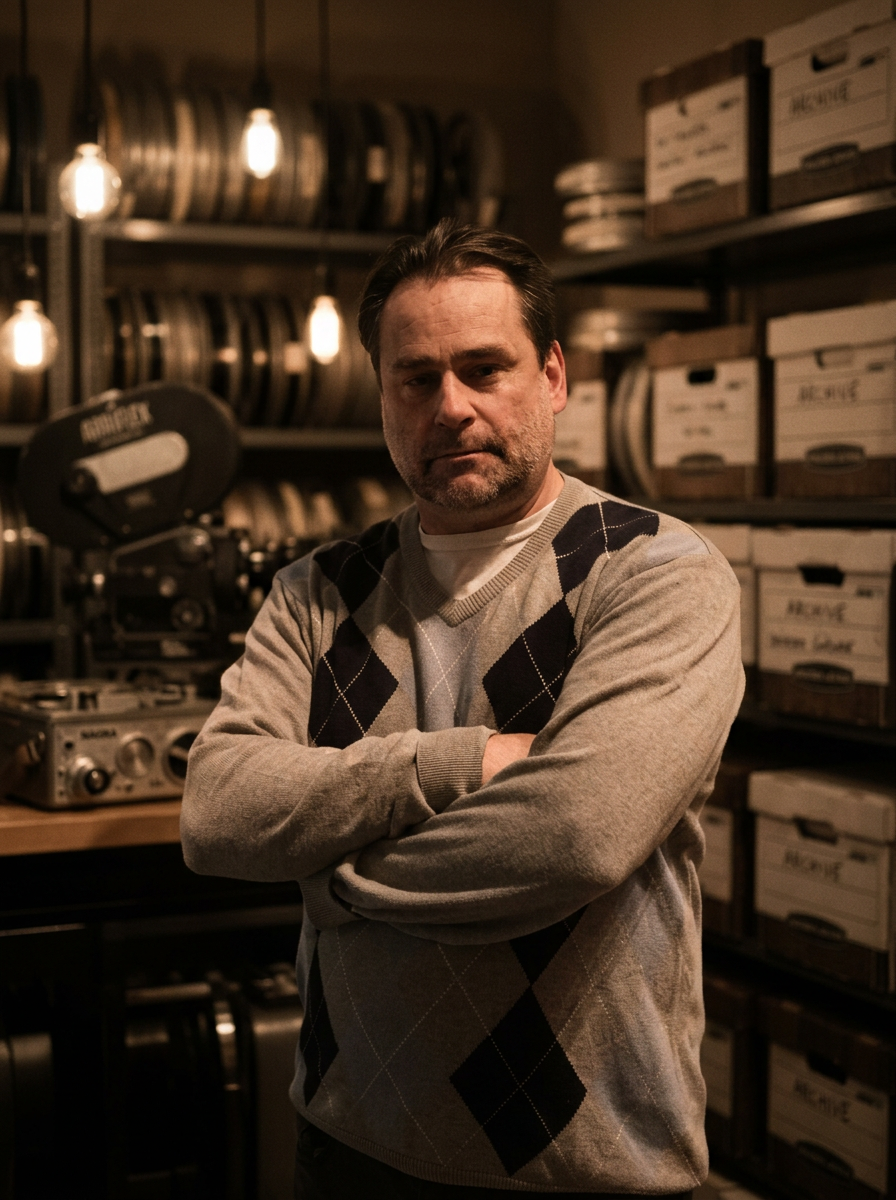
Creative Partner & Filmmaker
Kirk Findlay is a documentary filmmaker and Lucy's creative partner, whose work has aired on CBS and FOX.
It was Kirk's Pioneers of the Pacific — a feature documentary on Pacific Northwest baseball history — that first led Lucy into the world of Walla Walla and the story waiting inside its walls.
His filmmaker's instincts and storytelling eye have helped shape Ball 'n' Chains, and the documentary companion to the book is already in development.
With the Help of Many
Penrose Library
Past and present staff · Whitman College Archives & Special Collections
Fort Walla Walla Museum
Past and present staff, volunteers & docents · Living History
Washington State Digital Archives
Past and present staff · Preserving state records
For Publishers, Agents & Rights Holders
Ball 'n' Chains — Swinging for Redemption in Walla Walla is a narrative nonfiction account of the WSP Mavericks: the prison baseball team that became a fixture of Pacific Northwest baseball from 1907 through the 50s and off and on into modern day.
The book sits at the intersection of sports history, rehabilitation and second chances, and Pacific Northwest Americana — a story the history books have kept, but the bookshelves have not.
I'm seeking a publishing partner to bring it to readers. Download the pitch sheet below, or reach out for a conversation.
Print edition: 8.5 × 11 in · 0.125 in bleed · crop & registration marks
Stay in the Loop
Join the waitlist for publication news, sample chapters, and behind-the-scenes updates.